
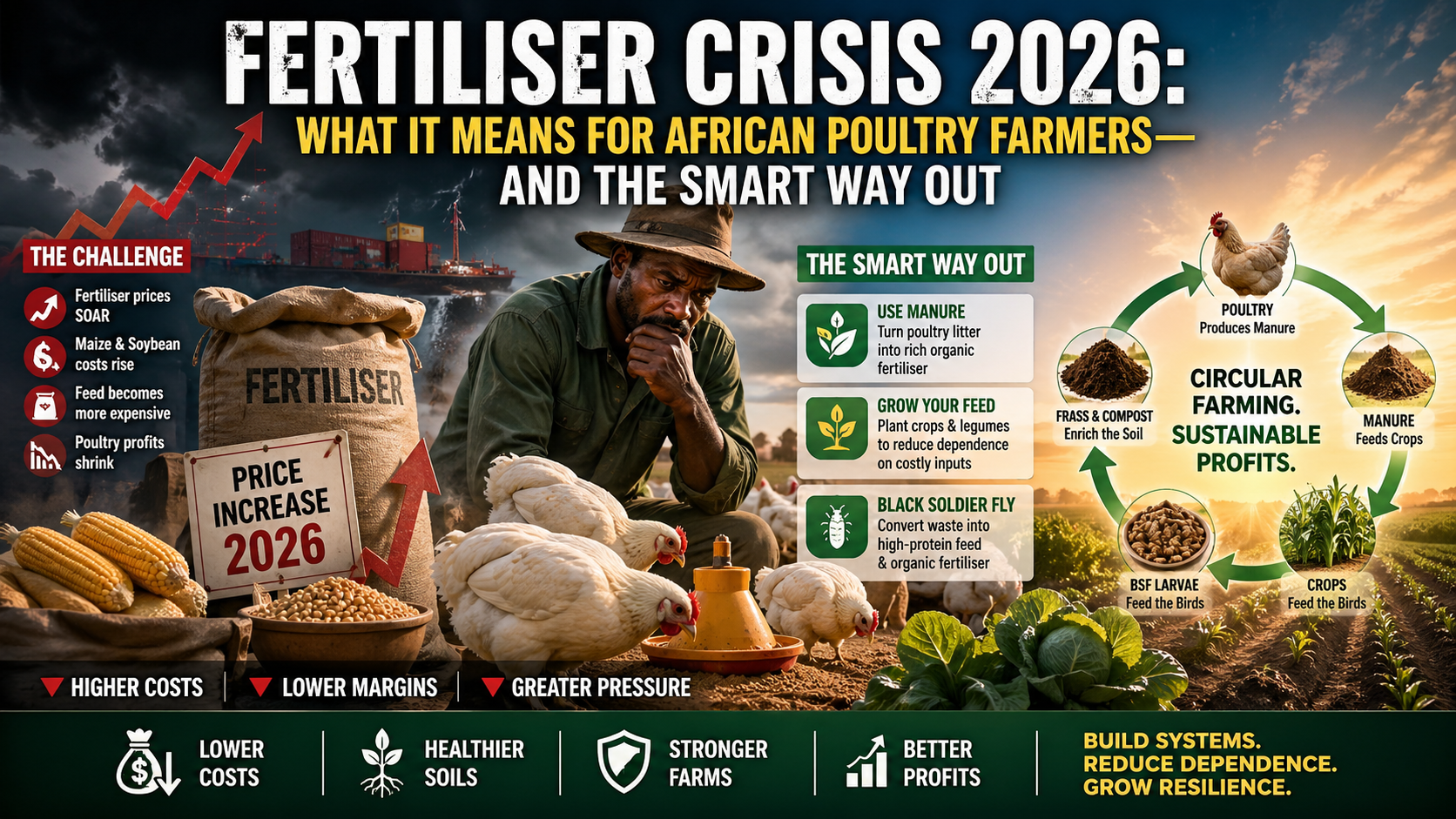
 When Fertiliser Prices Rise, Poultry Farmers Feel It Too
Many poultry farmers think fertiliser prices are a crop farmer’s problem.
They are mistaken.
Because what happens in fertiliser markets does not stay in crop farming—it travels directly into poultry production.
It shows up in:
-
- Higher maize prices
-
- More expensive soybean meal
-
- Rising feed costs
-
- Tighter margins
-
- Higher egg and meat prices
-
- Increased pressure on already struggling farms
For poultry farmers across Africa, the 2026 fertiliser crisis is not a distant headline.
It is a cost crisis sitting inside the feed bag.
Recent global disruptions around the Strait of Hormuz—a major route for fertiliser inputs—have tightened supply and pushed fertiliser prices sharply upward, raising concern over global crop costs and food inflation.
And Africa, heavily dependent on imported agricultural inputs, is especially exposed.
Why Poultry Feed Costs Are Rising
The economics are simple.
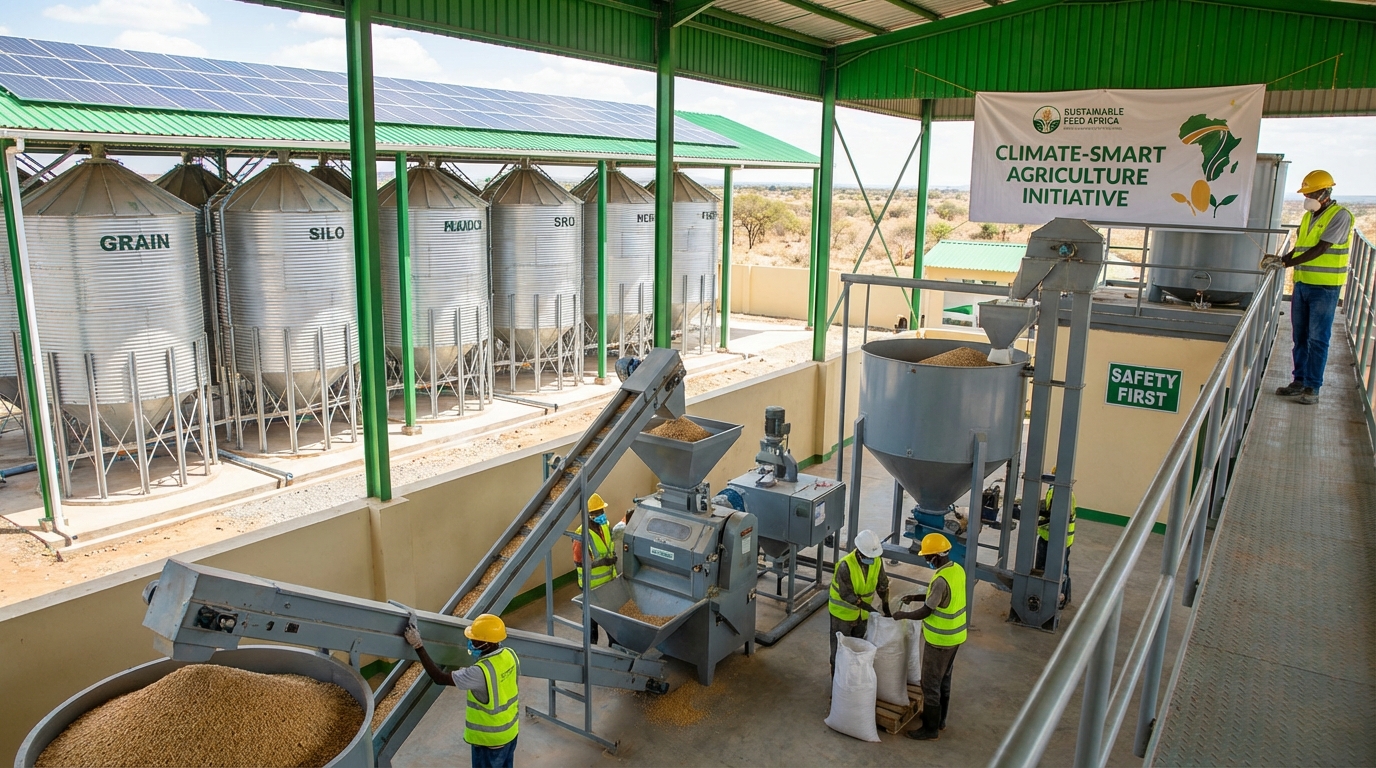
Maize and soybeans are the backbone of poultry feed.
But maize and soy depend heavily on:
-
- Nitrogen fertiliser
-
- Phosphate fertiliser
-
- Fuel for farm operations
-
- Transportation and logistics
When fertiliser prices surge:
Crop production becomes more expensive → grain prices rise → feed mills pay more → poultry farmers absorb the cost
That squeeze is brutal because feed is often the single largest operating expense in poultry production.
For many farms:
Feed can account for 60–75% of production costs.
So when feed prices rise, profits disappear quickly.
Small mistakes become big losses.
Thin margins become negative margins.
That is why many poultry farmers feel like they are working harder—but earning less.
The Hidden Opportunity Most Poultry Farmers Miss
Here is the irony:
Many poultry farms already produce one of the best organic fertilisers available—
Poultry manure.
Yet it is often treated like waste.
That is money being thrown away.
Properly managed poultry manure can:
 Improve soil fertility Reduce fertiliser purchases Build healthier soils Improve water retention Increase crop yields naturally Support on-farm maize or soybean production
In short:
Your birds can help feed your crops. Your crops can help feed your birds.
That is circular agriculture.
That is resilience.
3 Smart Ways Poultry Farmers Can Beat Rising Costs
1) Turn Poultry Waste into Fertility
Poultry litter contains valuable nutrients that crops need:
-
- Nitrogen
-
- Phosphorus
-
- Potassium
-
- Organic matter
Instead of dumping it, compost it.
Simple compost method:
-
- Mix litter with dry crop residues or leaves
-
- Keep moisture balanced—not soaked
-
- Turn every 1–2 weeks
-
- Cure for 6–8 weeks before application
Benefits:
Safer nutrient release Reduced odour Lower disease risk Better soil structure Reduced fertiliser dependence
What looks like waste becomes productive capital.
2) Grow Part of Your Feed
Forward-thinking poultry farmers are integrating crop production into their system.
Grow:
-
- Maize
-
- Soybean
-
- Cowpea
-
- Sorghum
-
- Cassava (where suitable for feed formulation)
Add legumes into the rotation.
Legumes naturally fix nitrogen into soil, reducing synthetic fertiliser needs while improving fertility.
Result:
Lower feed ingredient costs Better control over quality Reduced market dependence Improved farm sustainability
This is not just farming.
It is risk management.
3) Black Soldier Fly: The Future of Poultry Feed
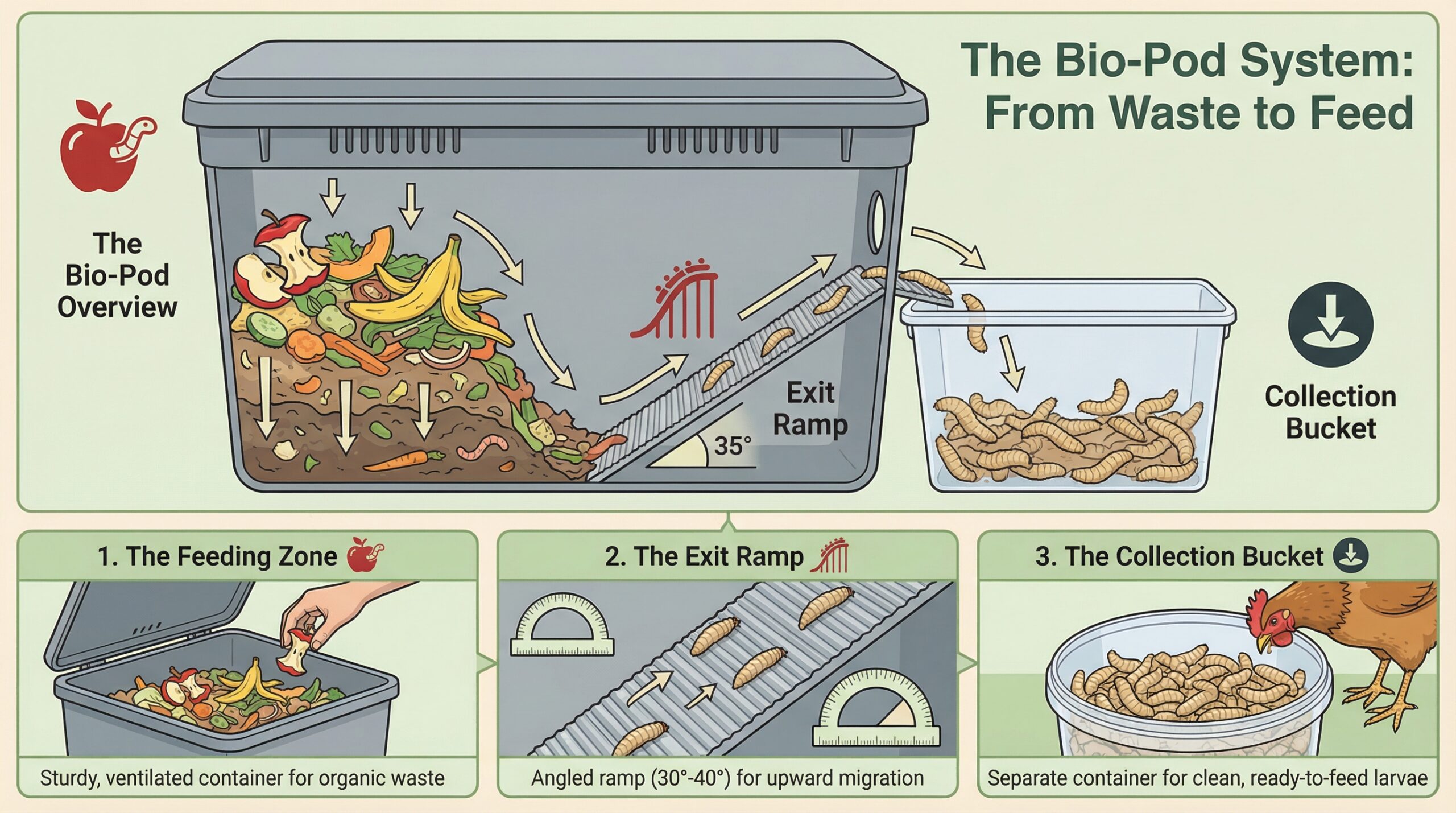
One of the most exciting innovations in African poultry farming is Black Soldier Fly production.
Black Soldier Fly larvae convert organic waste into:
 High-protein feed ingredient
 Organic fertiliser (frass)
Why this matters:
Can reduce dependence on expensive protein feed ingredients Converts waste into value Produces organic fertiliser Improves farm profitability Supports climate-smart agriculture
The smartest farms are no longer asking:
“How do I buy more inputs?”
They are asking:
“How do I create more inputs within my system?”
That mindset changes everything.
The Circular Poultry Farm Model
The future of profitable poultry farming in Africa is integrated farming.
Poultry
Produces manure
↓
Manure
Feeds crops
↓
Crops
Become feed ingredients
↓
Organic waste
Feeds Black Soldier Fly larvae
↓
BSF larvae
Become poultry feed
↓
BSF frass + compost
Return nutrients to soil
↓
Lower costs. Healthier soils. Stronger profits.
That is a closed-loop system.
That is sustainable agriculture.
That is smart business.
Final Thoughts
The fertiliser crisis is real.
But for African poultry farmers, it is also a wake-up call.
The farms that will thrive in the next decade will not be the farms that depend entirely on imported inputs—
They will be the farms that build internal systems:
-
- producing fertility
-
- recycling nutrients
-
- reducing waste
-
- lowering feed costs
-
- creating resilience from within
Do not think like a buyer of inputs.
Think like a builder of systems.
That is where sustainable profit lives.
Quick Summary
Rising fertiliser prices increase maize and soy costs Higher grain prices push poultry feed prices upward Poultry farmers face margin pressure Poultry manure is valuable organic fertiliser Black Soldier Fly systems can reduce feed cost and create fertiliser Integrated poultry + crop systems are the smartest long-term solution