
A practical breakdown of the one stage most farmers overlook — and why it determines everything that follows.
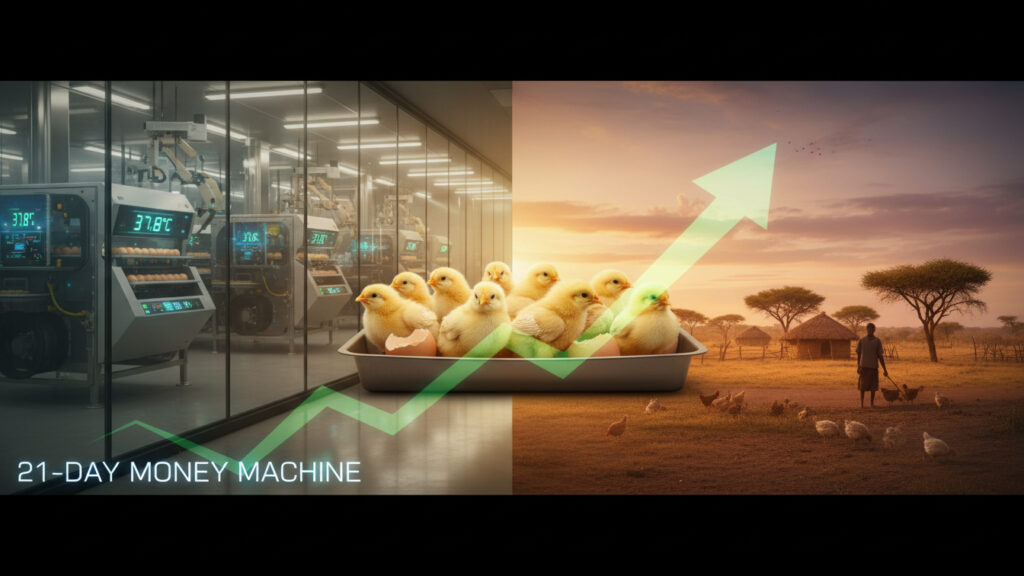
“Serious poultry investment doesn’t start at the farm gate — it starts at the hatchery. Strong chicks build strong farms, and strong farms build strong profits.”
— Solomon Oyewusi
If there is one place where poultry success is decided, it is the hatchery. You can have the best farm, the best feed, the best market access — but if your chicks are weak, nothing works. I have seen farmers lose entire investments not because of disease, but because they started with poor hatchery management. This guide breaks it down practically.
What Is Hatchery Management?
Hatchery management is the controlled process of selecting fertile eggs, incubating them under precise conditions, managing the hatch, and producing strong day-old chicks. In simple terms: it is where profit is either created or destroyed.
Why So Many Hatcheries Struggle
Across Africa, hatcheries consistently battle the same set of problems: poor temperature control, unreliable power supply, low-quality fertile eggs, and a shortage of technical knowledge.
The result:
Hatchability rates as low as 40–50%
Consistently weak chicks
Massive financial losses that could have been prevented
Key Numbers to Know
40–50% — hatchability in poorly managed facilities
37.5°C — ideal incubation temperature
7 days — maximum egg age before incubation
The 5 Pillars of Successful Hatchery Management
1. Egg Quality
This is the foundation everything else is built on. Use fresh eggs no older than 7 days, properly stored, sourced from healthy breeder flocks. If your eggs are poor quality, no amount of good technique will save your hatch.
2. Temperature Control
Maintain 37.5°C throughout incubation. Even a small drop can delay hatching or kill embryos entirely. This is where many farmers fail without realising it — the temperature looks fine on the surface, but inconsistency is silently costing them chicks.
3. Humidity Control
Early stage: 50–55% humidity
Final days: 65–75% humidity
Too dry and chicks will stick to the shell. Too wet and they drown. Getting this right is non-negotiable.
4. Egg Turning
Regular turning prevents embryos from sticking and ensures even development throughout incubation. Automatic incubators handle this reliably and take the guesswork out of the process.
5. Hygiene and Biosecurity
A dirty hatchery produces dead chicks — it is that simple. Disinfect incubators regularly, clean trays consistently, and control who enters the facility.
Why Most Hatcheries Fail — A Frank Assessment
It is not because hatchery management is difficult. It is because people consistently underestimate it. The most common mistakes are not technical mysteries — they are basic oversights:
Using table eggs instead of properly sourced fertile eggs
Incorrect incubation settings throughout the process
No monitoring system to catch problems early
Absence of record keeping, making it impossible to learn from each hatch
The Business Opportunity Most Investors Are Missing
Africa has a significant and persistent shortage of quality day-old chicks. Demand is high. Supply is inconsistent. For farmers and investors who understand how to run a well-managed hatchery, this gap represents a serious and underserved business opportunity.
Watch the Practical Breakdown
21 Days to Cashflow? Inside Africa’s Poultry Hatchery Goldmine
Ready to Go Deeper?
Get the step-by-step breakdown of hatchery systems from our market place, chick survival rates, and what it takes to build a profitable poultry operation from the ground up.