Introduction
In poultry production, everything begins with the hatchery. Before feed, before housing, before market access—there must be quality day-old chicks. The hatchery value chain is the engine that drives the entire poultry industry, yet it is often misunderstood or underestimated.
A weak hatchery produces weak chicks. And weak chicks create weak farms.
If you want to build a profitable poultry business, you must first understand how the hatchery value chain works—from breeder farms to the final delivery of day-old chicks.
What is the Hatchery Value Chain?
The hatchery value chain refers to the end-to-end process involved in producing and distributing day-old chicks. It is not just about incubation. It is a system that combines biology, logistics, energy, and management.
This chain includes:
- Breeder stock management
- Egg collection and handling
- Egg storage and transportation
- Incubation and hatching
- Chick processing and vaccination
- Distribution to farms
Each stage must function correctly. A failure in one stage affects everything downstream.
Stage 1: Breeder Stock – Where Quality Begins
The hatchery process starts with parent stock (breeders). These birds determine the genetic potential, health, and productivity of the chicks.
Key considerations:
- Strong genetics
- Proper nutrition
- Disease-free environment
- Controlled mating and egg production
If the breeder stock is weak, no level of hatchery technology can fix the outcome.
Stage 2: Egg Collection and Handling
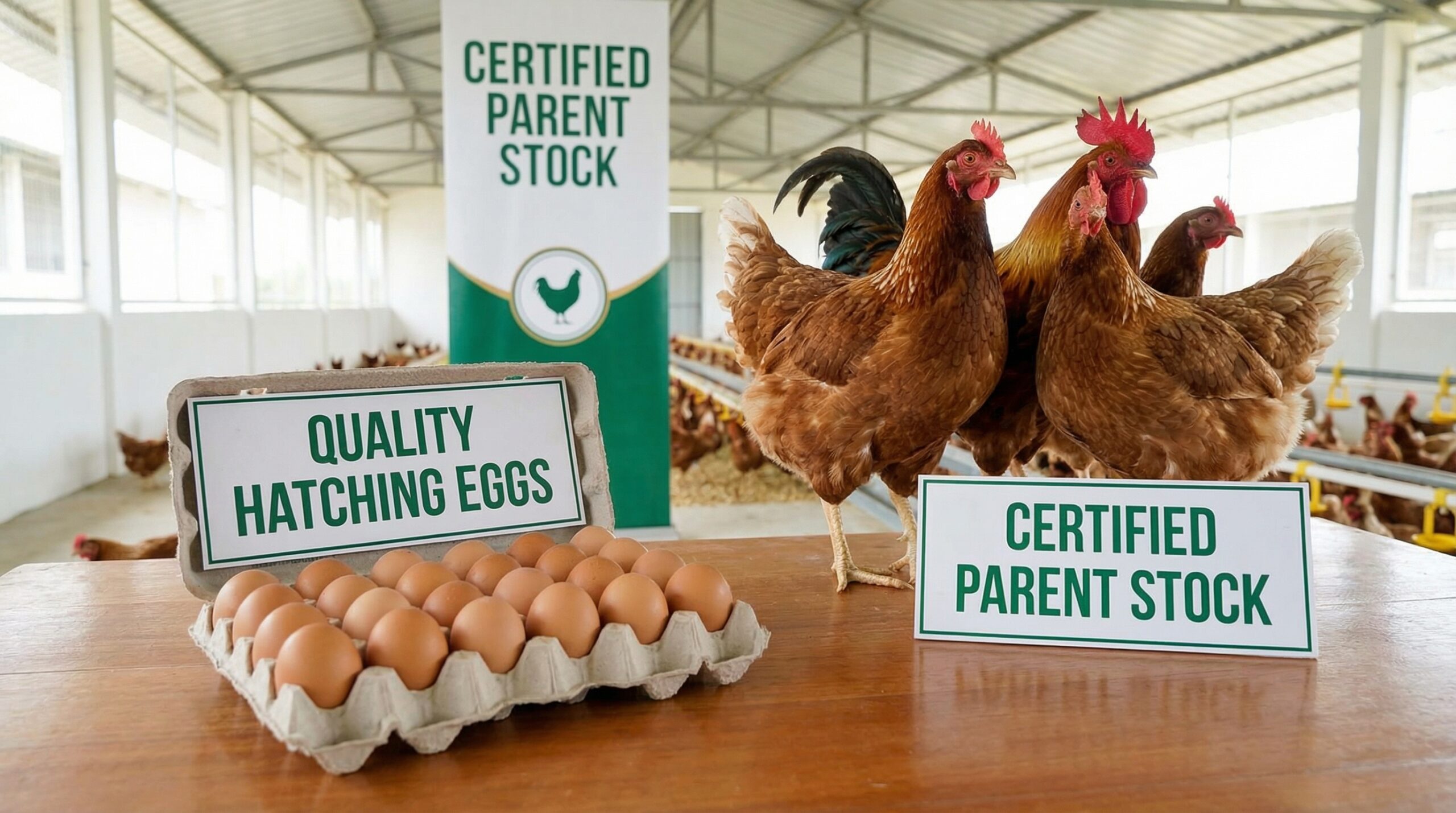
Fertile eggs must be handled with precision. Eggs are living systems, and rough handling can damage embryos before incubation even begins.
Best practices include:
- Frequent egg collection
- Clean handling procedures
- Avoiding cracks and contamination
- Maintaining proper temperature
At this stage, attention to detail directly impacts hatch rates.
Stage 3: Egg Storage and Transportation
Before incubation, eggs are stored under controlled conditions.
Key factors:
- Temperature control (typically 16–18°C)
- Humidity management
- Storage duration (ideally less than 7 days)
- Gentle transportation to the hatchery
Poor storage reduces hatchability and chick quality.
Stage 4: Incubation – Mimicking Nature with Precision
Incubation is where science meets biology. The goal is to replicate the natural conditions provided by a brooding hen.
Critical parameters include:
- Temperature stability
- Humidity control
- Egg turning
- Ventilation
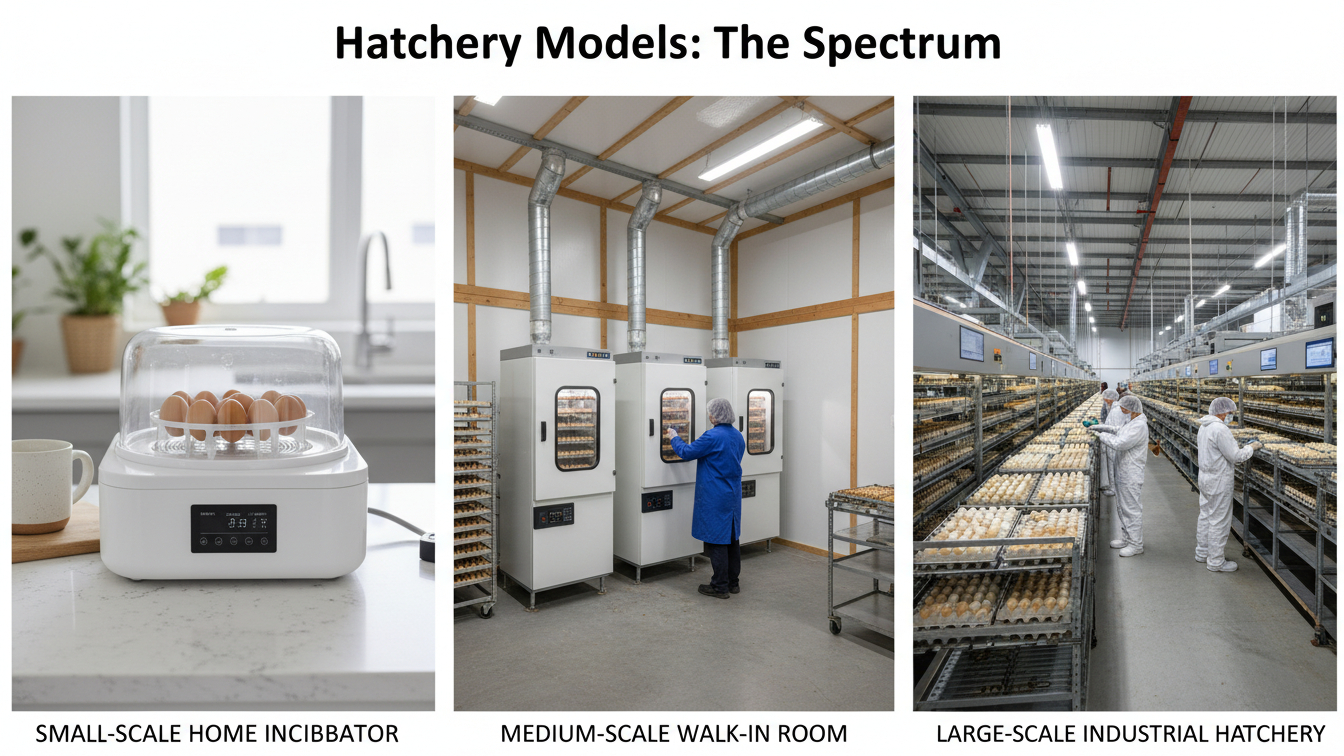
Even small deviations can lead to poor hatch rates or weak chicks.
Stage 5: Candling and Monitoring
During incubation, eggs are monitored to track embryo development.
This involves:
- Identifying infertile eggs
- Removing dead embryos
- Ensuring proper development stages
Monitoring prevents contamination and improves overall efficiency.
Stage 6: Hatching and Chick Processing
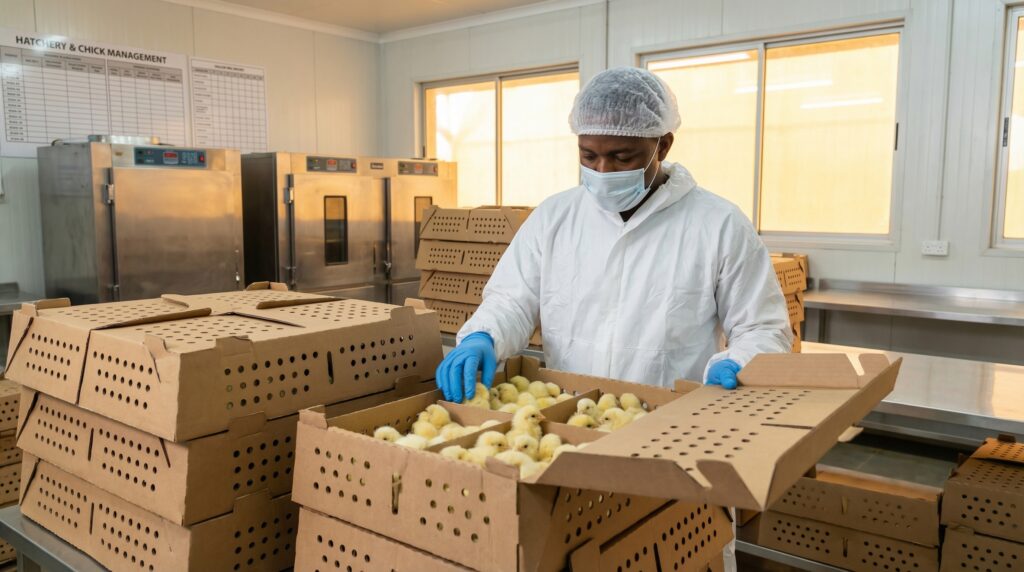
At the final stage, chicks emerge from eggs and must be handled quickly and carefully.
Processes include:
- Chick grading
- Culling weak chicks
- Vaccination (e.g., Marek’s disease)
- Packaging for transport
This stage determines the market quality of the chicks.
Stage 7: Distribution – Delivering Value
The final step is delivering chicks to farmers.
This requires:
- Temperature-controlled transport
- Efficient logistics
- Timely delivery
- Customer trust
Poor distribution can destroy the value created in all previous stages.
Key Challenges in the African Context
Operating a hatchery in Africa comes with unique realities:
- Power instability affecting incubation
- Logistics challenges across long distances
- Limited technical skills in some regions
- Biosecurity risks
- High cost of inputs
These challenges make system design and discipline even more critical.
Why Not Invest in Eggs
https://youtu.be/MCfAIoGPQw0
Why the Hatchery Value Chain Matters
The hatchery is not just a production unit—it is a strategic control point.
When the hatchery performs well:
- Farmers achieve better growth rates
- Mortality is reduced
- Feed efficiency improves
- Profitability increases across the value chain
When it fails, the entire system suffers.
Conclusion
The poultry hatchery value chain is the foundation of sustainable poultry production. It requires precision, discipline, and a deep understanding of both biology and business.
Success in poultry farming does not start at the farm—it starts in the hatchery.
If you want to build a profitable poultry business, start by mastering the system that produces life itself.
Call to Action
Want to go deeper?
Explore The Hatchery Blueprint: A Step-by-Step Guide to High Hatch Rates to learn how to build, manage, and scale a profitable hatchery in African markets.