Africa must produce its own food and build sustainable systems that are resilient to climate shocks — not rely on external aid.”
— Dr. Akinwumi A. Adesina, President, African Development Bank Group
As an Agricultural Value Chain Finance Specialist, I have seen firsthand how sustainability reduces risk, improves loan performance, and strengthens agribusiness resilience across poultry systems.
Poultry is one of the fastest-growing agricultural sectors in Africa and globally. From broilers to layers, hatcheries to feed mills, cold-chain logistics to retail markets — poultry is not just food production. It is employment, nutrition, rural development, and financial opportunity.
But here is the big question:
Can poultry farming grow without destroying the very resources it depends on?
That is where sustainability comes in.
Sustainability in poultry farming is not a buzzword. It is a business strategy, a risk management tool, and a long-term survival plan.
What Does Sustainability in Poultry Farming Really Mean?
Sustainability in poultry involves three core pillars:
1. Environmental Sustainability – Protecting land, water, and air
2. Economic Sustainability – Ensuring profitability and resilience
3. Social Sustainability – Supporting farmers, workers, and communities
True sustainability does not reduce profit. It strengthens it.
For farmers, agribusiness investors, financial institutions, and policymakers — sustainability is now central to agricultural finance, insurance, export standards, and market competitiveness.
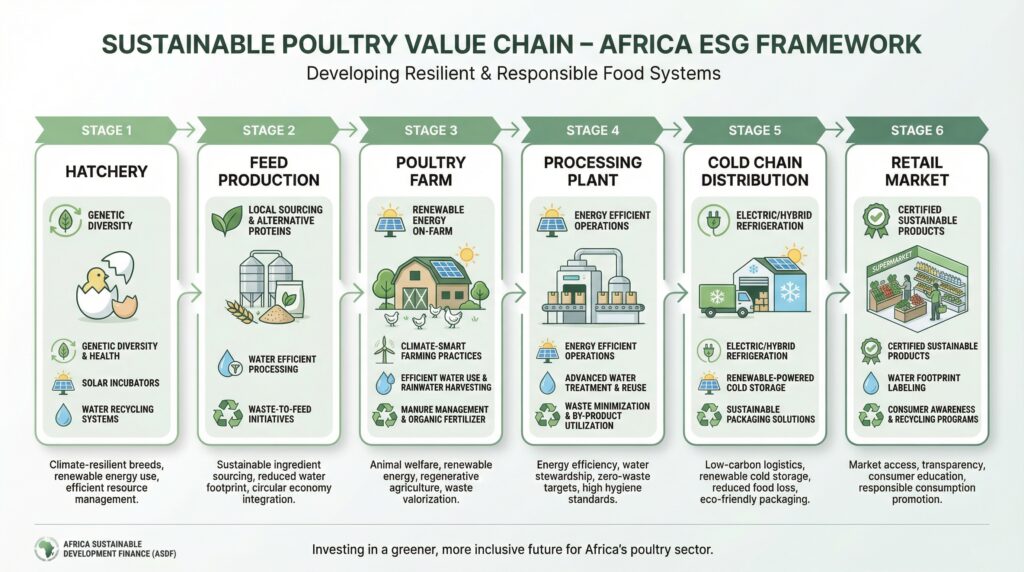
Sustainability at Each Stage of the Poultry Value Chain
Let’s break it down practically along the poultry value chain.
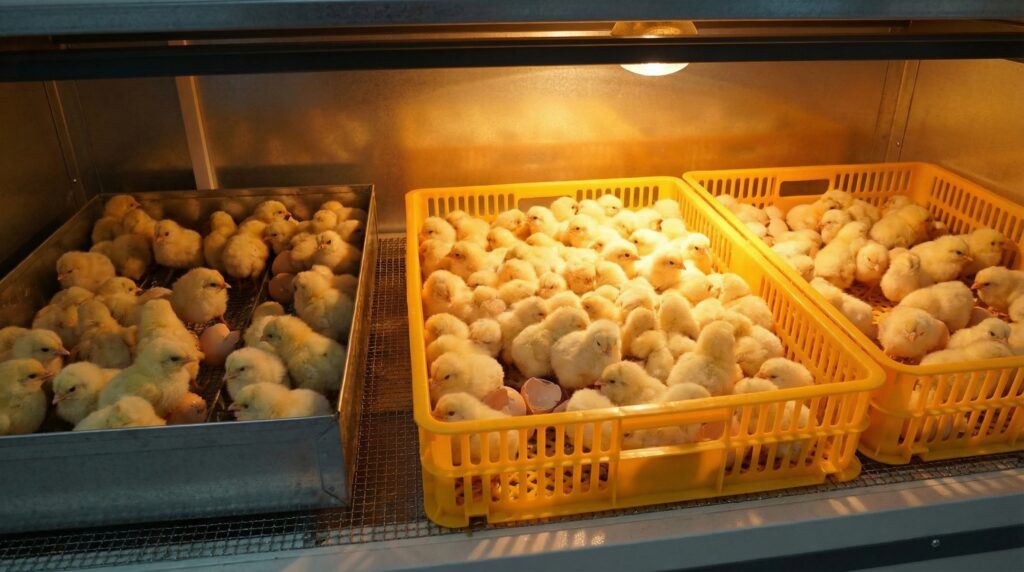
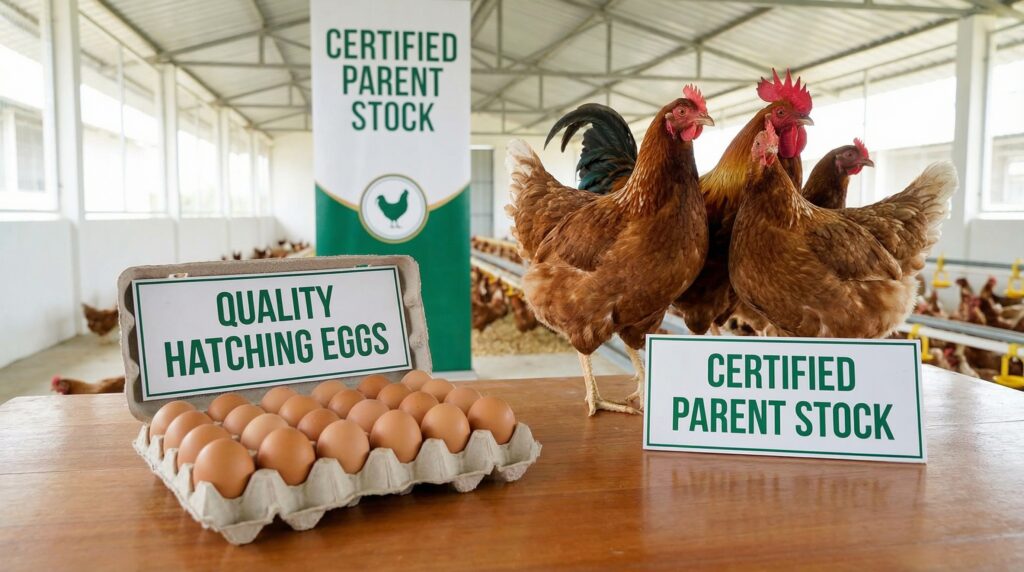
- Sustainable Hatchery Operations
The poultry journey starts at the hatchery.
Sustainable hatchery practices include:
• Energy-efficient incubators
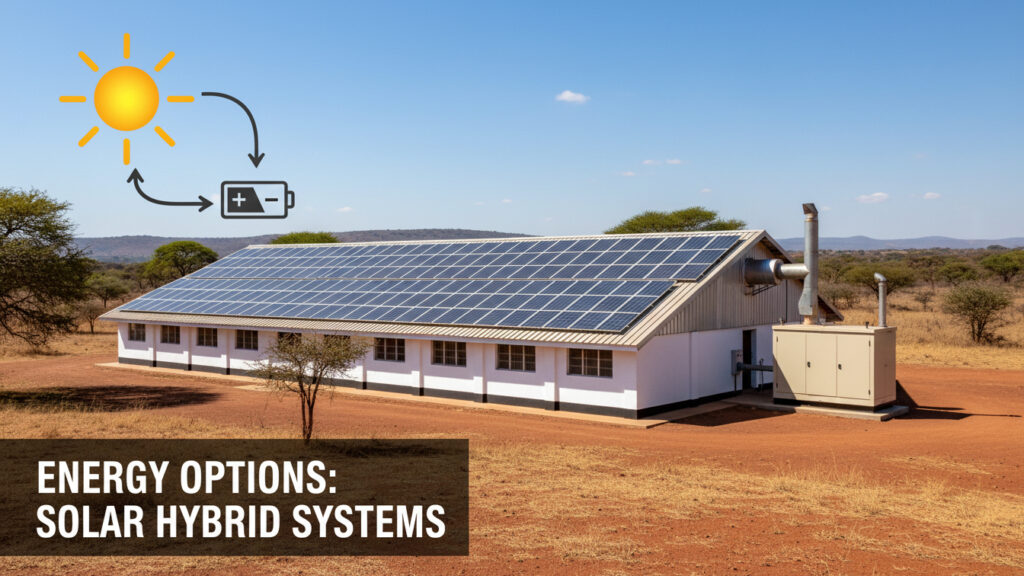
• Solar-powered backup systems
• Proper biosecurity to reduce mortality
• Ethical breeding practices
• Reduced water waste
High mortality at hatchery stage equals wasted feed, wasted energy, and wasted capital.
Reducing hatchery losses improves both environmental and financial outcomes.
- Sustainable Feed Production
Feed represents 60–70% of poultry production cost. It is also the largest environmental footprint in poultry production.
Sustainable feed strategies include:
• Local sourcing of maize and soy
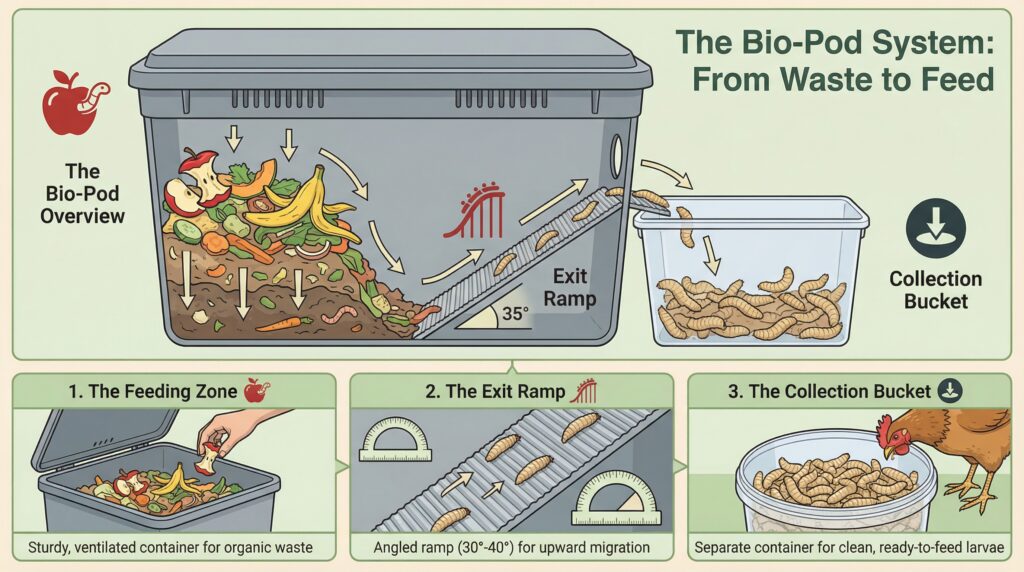
• Alternative protein sources (insects, black soldier fly larvae)
• Precision feed formulation
• Reducing feed waste
• Supporting climate-smart agriculture for grain farmers
When grain farmers adopt sustainable practices, the entire poultry chain becomes stronger.
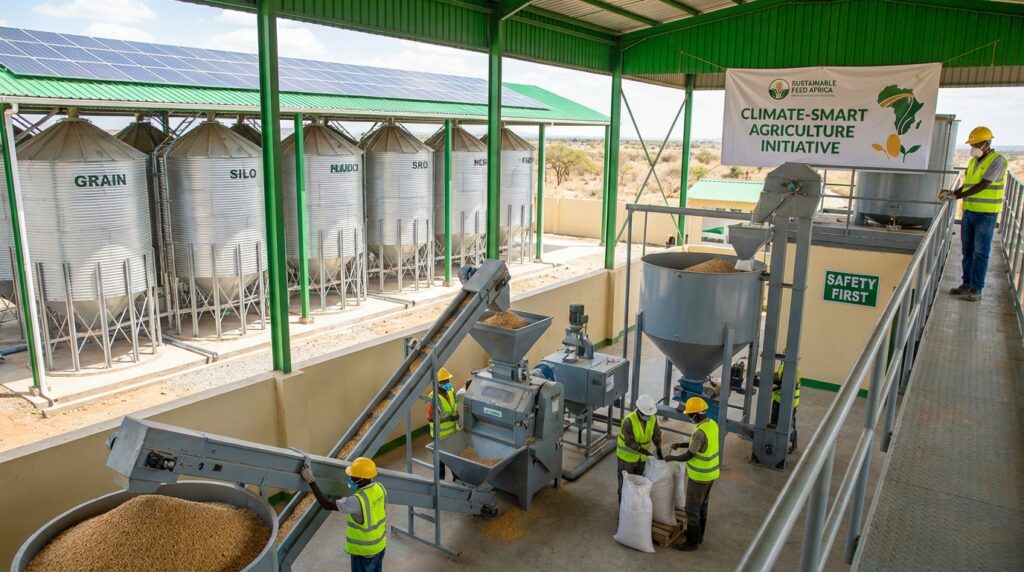
Financial institutions can support this through value chain finance — linking crop farmers and poultry producers through structured lending models.
⸻
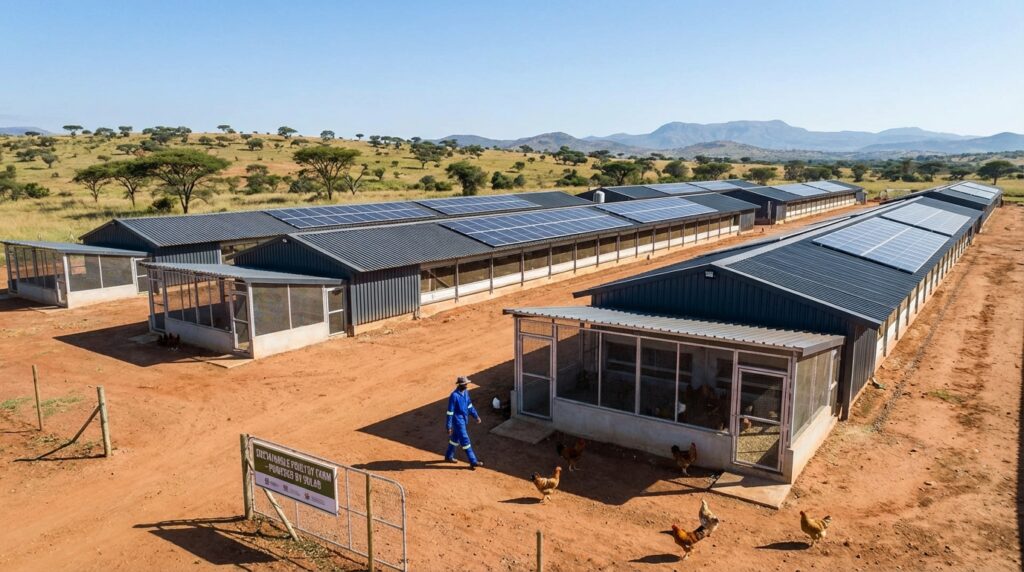
- Sustainable Poultry Housing and Farm Management
Modern sustainable poultry housing focuses on:
• Natural ventilation systems
• Solar-powered lighting
• Energy-efficient heating
• Proper litter management
• Water conservation systems
Waste management is especially critical.
Poultry manure, when poorly handled, causes:
• Methane emissions
• Groundwater contamination
• Odour pollution
• Disease spread
However, when managed properly, poultry waste becomes:
• Organic fertilizer
• Biogas feedstock
• Additional revenue stream
This transforms waste into wealth.
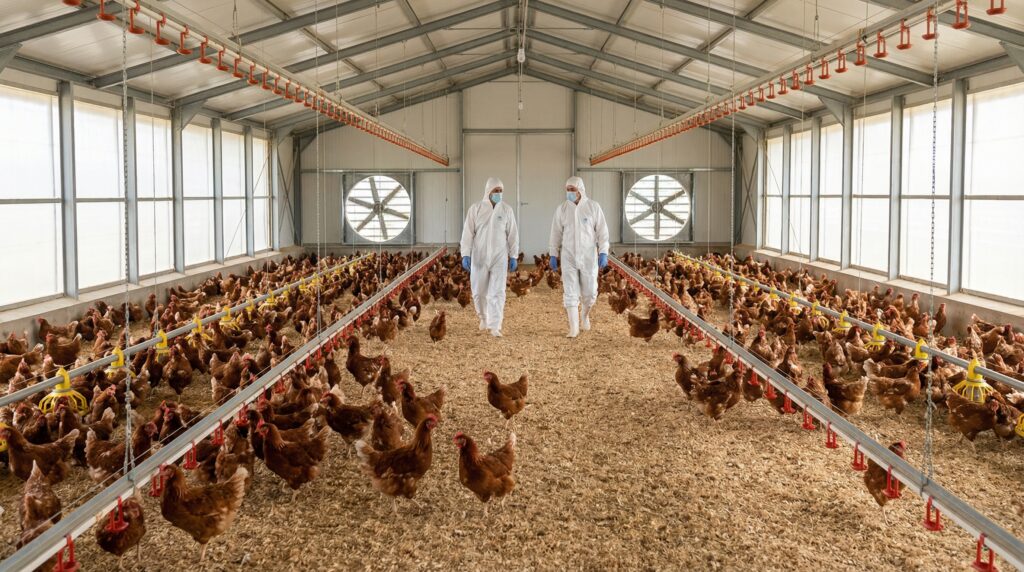
- Sustainable Animal Welfare Practices
Consumers globally are demanding higher welfare standards.
Sustainable poultry farming ensures:
• Proper stocking density
• Adequate ventilation
• Access to clean water
• Reduced stress
• Responsible antibiotic use
Overuse of antibiotics contributes to antimicrobial resistance — a major global health risk.
Sustainability means producing healthy birds without compromising public health.
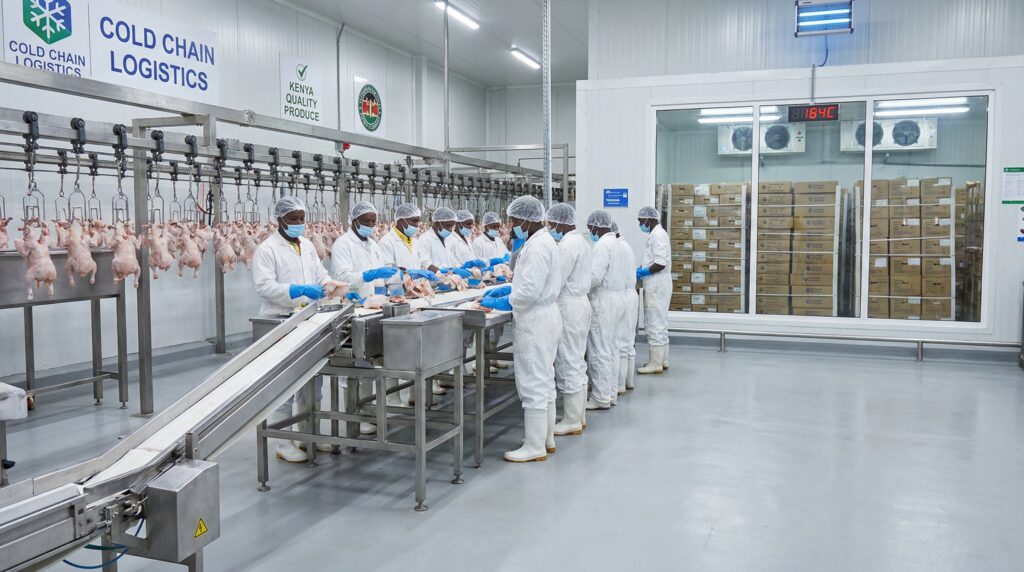
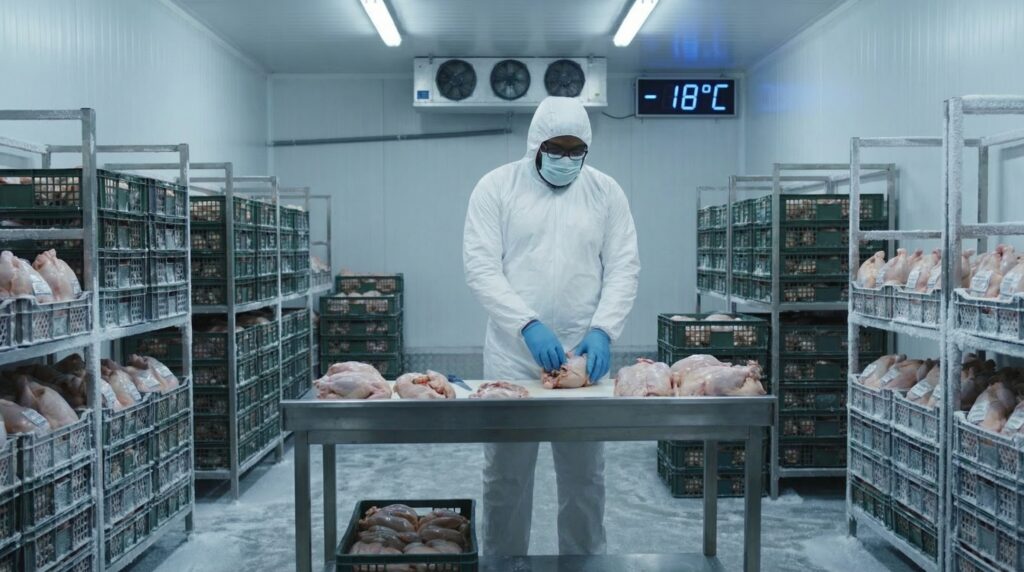
- Sustainable Processing and Cold Chain
Processing plants must reduce:
• Water waste
• Energy consumption
• Packaging waste
• Carbon emissions
Cold chain inefficiencies cause massive post-harvest losses in many African countries.
Solar-powered cold rooms, improved logistics systems, and efficient distribution reduce:
• Food waste
• Financial losses
• Environmental impact
Sustainability reduces cost leakages.
- Sustainable Marketing and Retail
Retailers and distributors can promote sustainability by:
• Supporting traceability systems
• Encouraging eco-friendly packaging
• Promoting local sourcing
• Reducing plastic waste
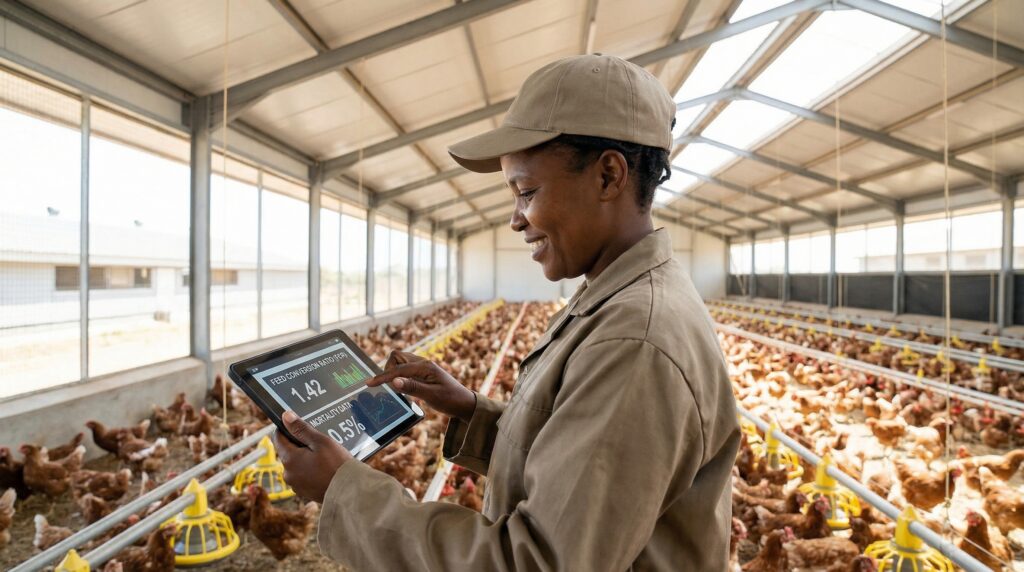
Digital platforms can also reduce inefficiencies in distribution.
Climate Change and Poultry Farming
Climate change is already affecting poultry through:
• Heat stress
• Feed price volatility
• Disease outbreaks
• Water scarcity
Sustainable poultry systems include:
• Heat-resistant housing
• Climate-indexed insurance
• Diversified sourcing
• Risk-sharing financing models
Financial products like agricultural insurance and sustainable credit lines are becoming essential for poultry farmers.
The Business Case for Sustainability
Let’s be clear:
Sustainability is profitable.
Why?
Because it reduces:
• Input waste
• Disease losses
• Energy costs
• Financing risks
• Regulatory penalties
Investors are now integrating Environmental, Social and Governance (ESG) standards into agribusiness financing.
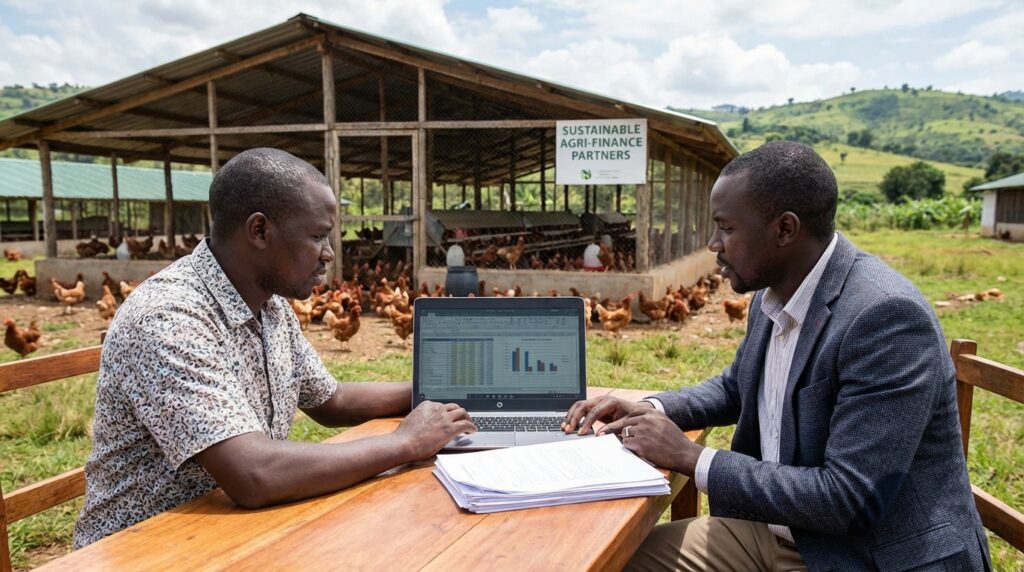
Banks increasingly prefer to finance structured, sustainable value chains because they reduce default risk.
The Role of Value Chain Financing
Sustainability is not achieved by farmers alone.
It requires:
• Banks
• Development finance institutions
• Off-takers
• Insurance providers
• Input suppliers
• Farmer cooperatives
Value chain finance ensures:
• Input credit is structured
• Farmers are guaranteed markets
• Payments are traceable
• Risks are shared
This reduces systemic inefficiencies and strengthens the entire poultry ecosystem.
Digital Innovation and Sustainability
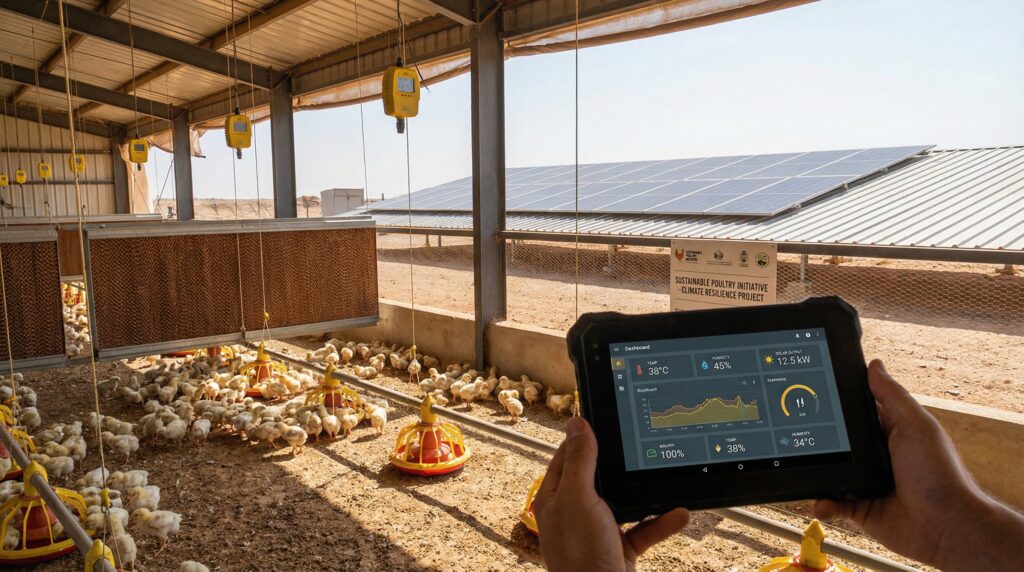
Digital agriculture tools are transforming poultry farming:
• Smart feed management systems
• Climate monitoring tools
• Disease tracking apps
• Digital market platforms
Data improves decision-making.
Better decisions mean better sustainability outcomes.
Sustainability and Export Opportunities
Global markets increasingly require:
• Traceability
• Low carbon footprint
• Ethical animal welfare standards
• Responsible antibiotic use
Sustainable poultry systems open doors to export markets and premium pricing.
Countries that ignore sustainability risk losing competitiveness.
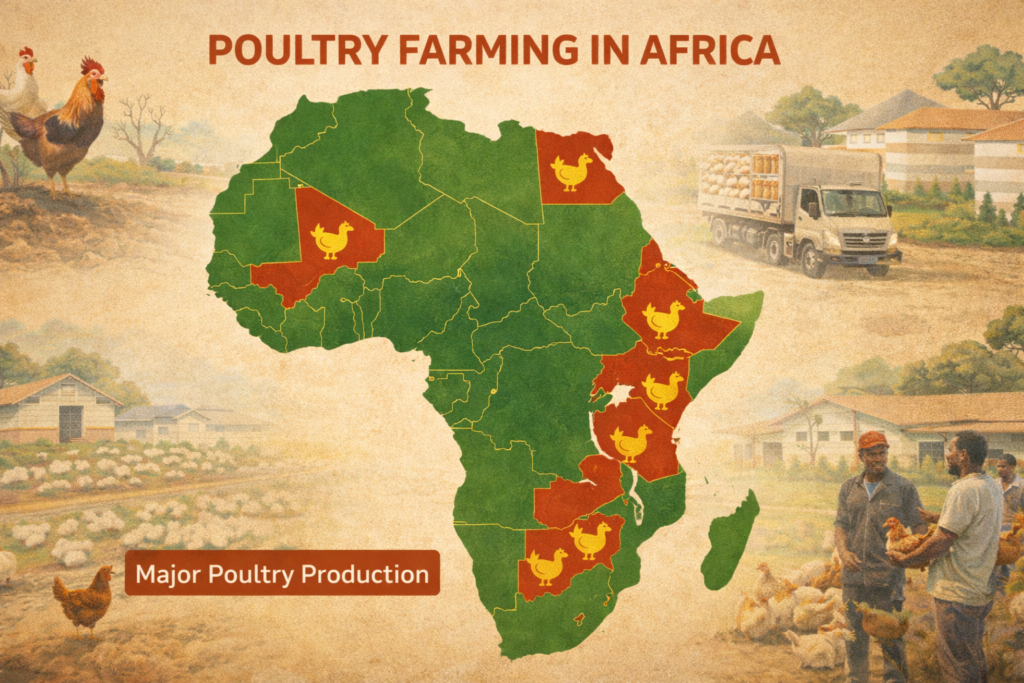
Challenges to Sustainable Poultry in Africa
Despite the opportunities, challenges remain:
• High energy costs
• Weak cold chains
• Limited access to finance
• Knowledge gaps
• Poor infrastructure
• Inconsistent policy environment
However, these are not barriers — they are investment opportunities.
The Way Forward
To build sustainable poultry systems, we need:
1. Farmer education and extension services
2. Structured agricultural finance
3. Sustainable insurance products
4. Public-private partnerships
5. Digital adoption
6. Policy alignment
7. Youth engagement
Sustainability must be embedded into:
• Farm design
• Financial products
• Insurance structures
• Value chain agreements
Conclusion: Sustainability Is the Future of Poultry
Poultry farming feeds millions.
But sustainability ensures it will continue feeding millions — profitably and responsibly — for generations.
The future of poultry farming is not just about producing more birds.
It is about:
• Producing smarter
• Producing cleaner
• Producing responsibly
• Financing wisely
• Managing risk strategically
Sustainability is not a cost.
It is competitive advantage.
And for Africa’s growing population, it may be the single most important strategy to secure food, jobs, and economic resilience.
If you are a poultry farmer, investor, financial institution, or policymaker, the question is not whether to embrace sustainability.
The question is:
How fast can you integrate it into your value chain?